News
News
The comeback of imperfection
Health and authenticity will shape the cosmetics industry in the coming years
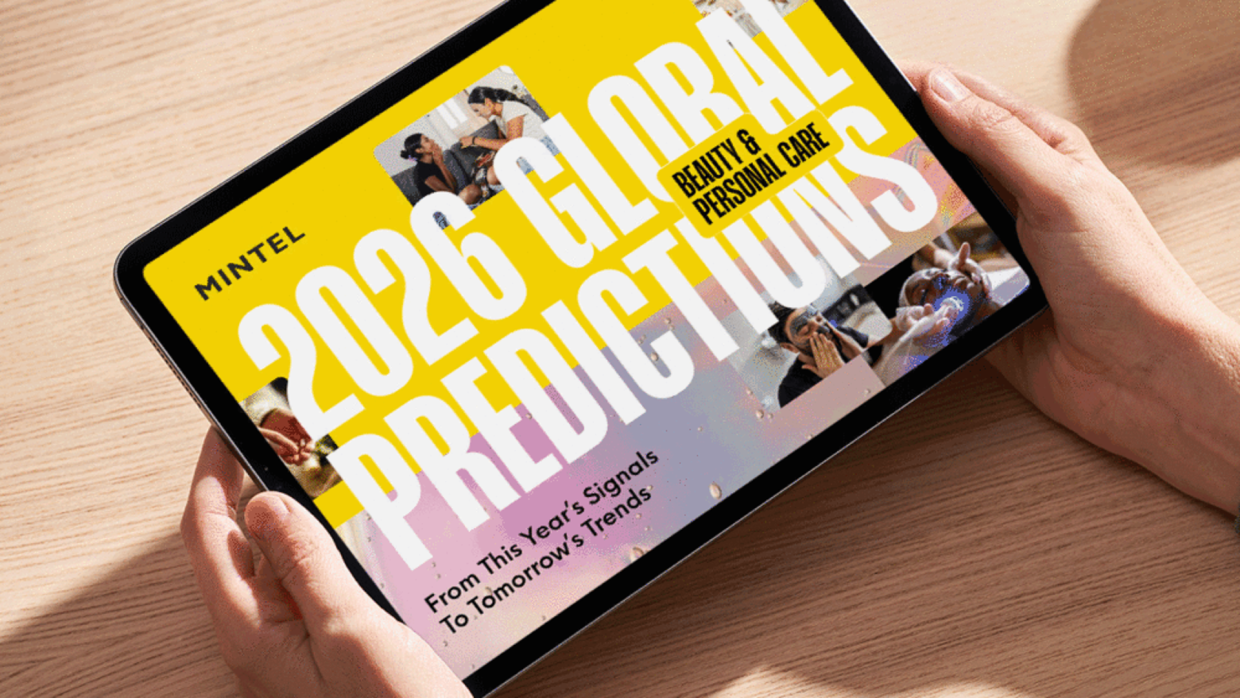
Trend researchers at the international market research institute Mintel see a fundamental change in the cosmetics of the future: personal care will increasingly be linked to the topics of health and well-being. As a result, the inner and holistic effects of products are becoming increasingly important. According to a new Mintel study, 2026 will mark a turning point at which beauty will evolve into a health-integrated category. Consumers are shifting their focus from superficial aesthetics to inner well-being. Health is becoming the new basis of beauty. Biomarker testing, monitoring and bio-intelligent technologies are evolving from a niche market to a mass market, enabling personalised interventions that optimise cell resilience and energy balance. Mintel expects skin and hair to be considered easily accessible biomarkers by 2030. Creams and serums should not only beautify, but also allow conclusions to be drawn about health.
More experiences instead of results
The trend towards "sensory synergy" also emphasises that beauty is increasingly experienced in a multisensory way. Products should appeal to the senses and improve emotional well-being: scent, texture and even sound become instruments of stress regulation. Mintel points out that beauty is defined less by results and more by experiences: consumers demand cosmetics that make them feel as good as they look and smell. Researchers see a shift towards "experience-first beauty", in which sensory stimulation is the main trigger for purchasing decisions. Brands are therefore called upon to design products and retail experiences that appeal to all the senses, according to Mintel. Authentic stories are more important than pure efficiency.
Imperfection as a new luxury feature
Mintel also expects a "human touch revolution". After years of algorithmic perfection, characterised by AI filters and polished marketing, consumers are longing for authenticity. Small manufacturers, handcrafted products and unretouched campaigns are gaining in importance because they showcase creativity and traces of the manufacturing process. The report predicts that imperfection will become the new luxury feature by 2030: consumers are willing to pay higher prices for products with visible "flaws" – imperfections that make them appear genuine and human – because they are considered a sign of authenticity and craftsmanship. Brands that emphasise transparency, human labour processes and a natural, imperfect aesthetic could prevail.
Source: Mintel