News
News
Detergent for the climate
A new surfactant from dm uses recycled CO2
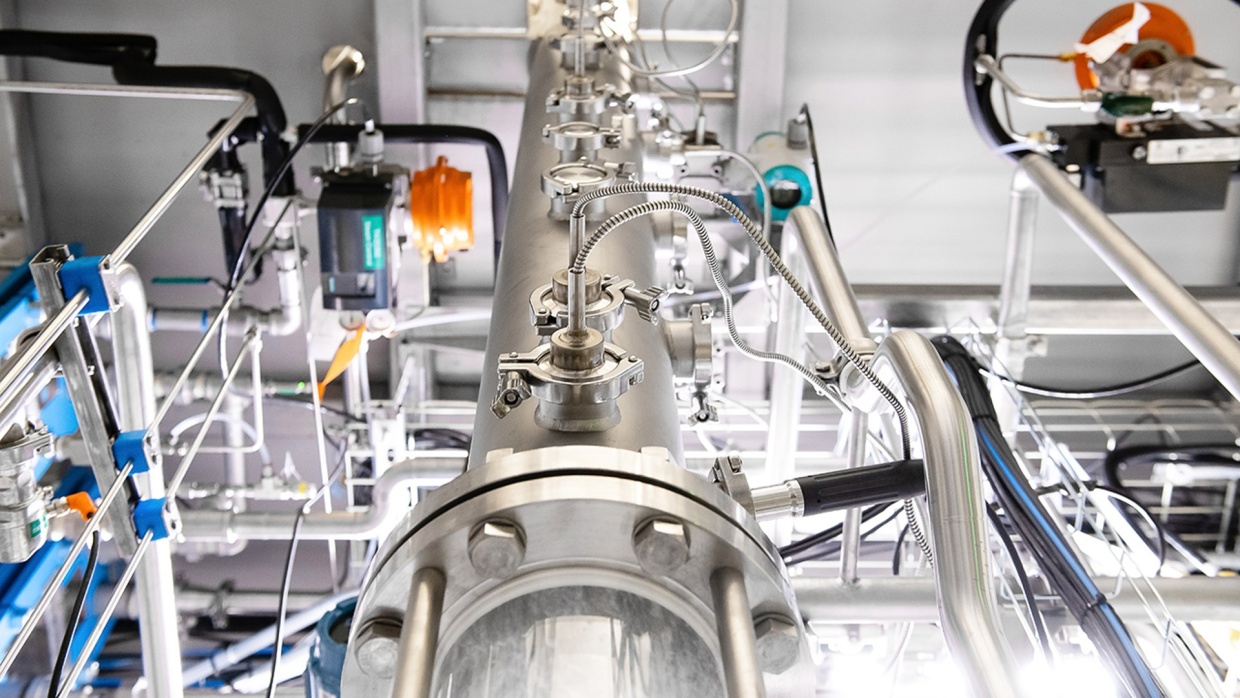
The drugstore chain dm is launching a new detergent in its stores that uses recycled CO2 to protect the climate. The colour and heavy-duty detergents from the house brand "Denkmit" now contain surfactants that use recycled CO2 via a fermentation-based process, the company reports. The biotechnologically produced surfactant replaces petroleum-based ingredients, thereby reducing CO2 emissions into the atmosphere. Surfactants are washing-active substances that improve the wetting of textiles and help remove dirt. For every tonne of surfactant obtained through carbon dioxide recycling, around 1.2 tonnes of greenhouse gas are bound. The CO2 is thus recycled and not emitted into the atmosphere.
Cosmetic products also planned
"The process is a milestone in the ecological transformation of such consumer goods," says Kerstin Erbe, Managing Director for Product Management and Sustainability. The innovation was achieved in collaboration with manufacturing partners LanzaTech and the Mibelle Group. The first new products are now being introduced in more than 2,100 German dm stores and sold with the "Pro Climate" label. The fermentation process patented by LanzaTech is also suitable for other product groups. The next step is to develop cosmetic products in which CO2 recycling could replace plant oils such as palm oil, dm announced.
Cooperation for more cycles
The three companies have been working together since 2018, initially replacing fossil-based components in plastics with recycled CO2. This enabled 30 per cent of dishwashing liquid bottles to be made from this raw material stream. The mass balance method is used in the manufacture of CO₂-recycled products. This involves processing sustainably and conventionally produced raw materials together. The quantity of sustainable raw materials – such as surfactants in detergents – is distributed mathematically among the end products. The process allows the partners to design production processes that are efficient and conserve resources, and to gradually increase the proportion of sustainable raw materials in the supply chain without having to raise prices.
Source: dm