News
News
Focus on Longevity
Estée Lauder Companies unveils new research platform for skin ageing
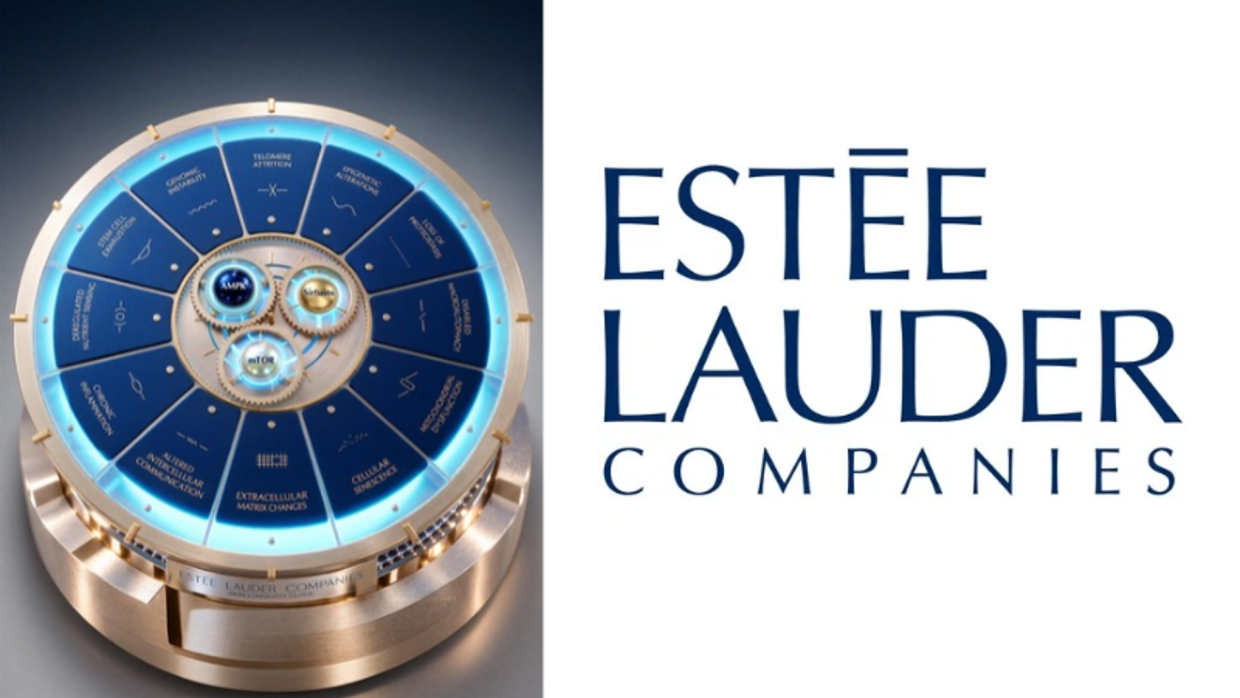
The US cosmetics group The Estée Lauder Companies (ELC) has unveiled ‘Mastering Skin Longevity’, a new platform designed to advance the group’s internal research into skin ageing and deliver new insights for the development of ingredients, technologies and products. According to ELC, the platform focuses on overarching biological regulatory mechanisms that influence several ageing processes simultaneously. Rather than examining individual characteristics of skin ageing, the group aims to investigate biological interrelationships. The aim is to better understand and support the skin’s natural repair and regeneration capabilities. “Building on 80 years of research and two decades of longevity research, we are translating scientific discoveries into products that consumers trust,” says Stéphane de La Faverie, President and CEO of The Estée Lauder Companies.
Research for all ELC brands
The new platform is set to be used in future by various brands within the group, each of which pursues its own areas of focus and product philosophies. Whilst Estée Lauder is researching sirtuin biology and gene-regulating processes in particular, La Mer is concentrating on cellular energy supply and visible skin renewal. Clinique is working on slowing down visible signs of ageing and enhancing the skin’s resilience, whilst Lab Series focuses on optimising skin functions in men. The Ordinary is set to concentrate on ingredients and technologies that support skin health. According to ELC, the collaboration aims to translate research findings into new products in a more targeted manner and to strengthen its innovative capabilities in the field of longevity cosmetics.
Focus on ‘Master Regulators’
At the heart of the research platform are so-called ‘Master Regulators’ – overarching biological regulatory mechanisms and enzymes that influence key cellular functions and ageing processes. These include sirtuins, which are involved in cell repair and the response to stress; the enzyme AMPK, which regulates cellular energy metabolism; and the mTOR signalling pathway, which influences, amongst other things, processes of cell renewal and regeneration. Scientists at the Group’s longevity research laboratories in Melville and Shanghai are investigating these mechanisms and how they interact. To accompany this, ELC published a white paper to which experts from China, Singapore and the USA also contributed.
Source: Estée Lauder Companies