News
News
An ally during the menopause
Silab introduces ‘Metallomia’, a natural active ingredient for menopausal skin
The French active ingredient manufacturer Silab has introduced ‘Metallomia’, a new ingredient derived from the roots of the marshmallow plant, for skincare during the menopause. It is said to slow down skin ageing, strengthen the skin barrier and improve resistance to UV radiation. According to the company, the mechanism of action centres on the skin’s iron metabolism, which changes during the menopause. Silab states that impaired regulation of iron in skin cells can accelerate skin ageing. Metallomia is designed to counteract this process and restore skin functions.
Improving iron levels
The new detoxifying active ingredient targets what is known as ferritinophagy, a cellular process in which stored iron is released from the skin in a controlled manner. According to Silab’s research, this mechanism is impaired in the skin of menopausal women. As a result, the cells lack bioavailable iron for metabolic processes, leading to premature skin ageing. This phenomenon of ‘metallo-ageing’ is exacerbated by UV radiation and can cause oxidative stress. Metallomia is designed to reactivate ferritinophagy, ensure the controlled release of iron in the skin and limit the effects of UV radiation.
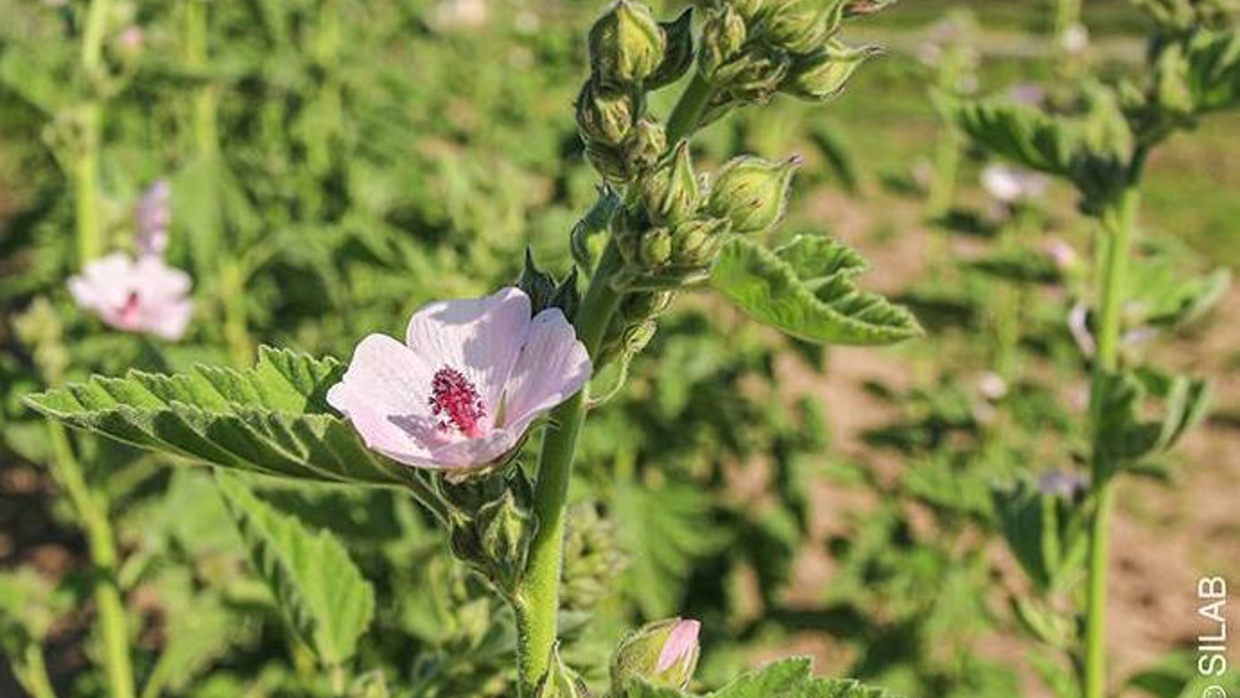
Extract from marshmallow roots
According to the company, Metallomia demonstrated positive effects in clinical trials: in Caucasian test subjects, the skin was revitalised after just 14 days. The skin barrier was strengthened, and the complexion appeared more even and radiant. In Asian test subjects, pigmentation spots were also visibly reduced after 28 days. Silab uses marshmallow roots from a traceable French supply chain in the manufacturing process. To extract the polyuronides from the mucilage-rich roots, Silab developed a special enzymatic extraction process. The patented active ingredient is available as an aqueous solution and is recommended for use in skincare formulations at concentrations of 0.5 to 2 per cent.
Source: Silab